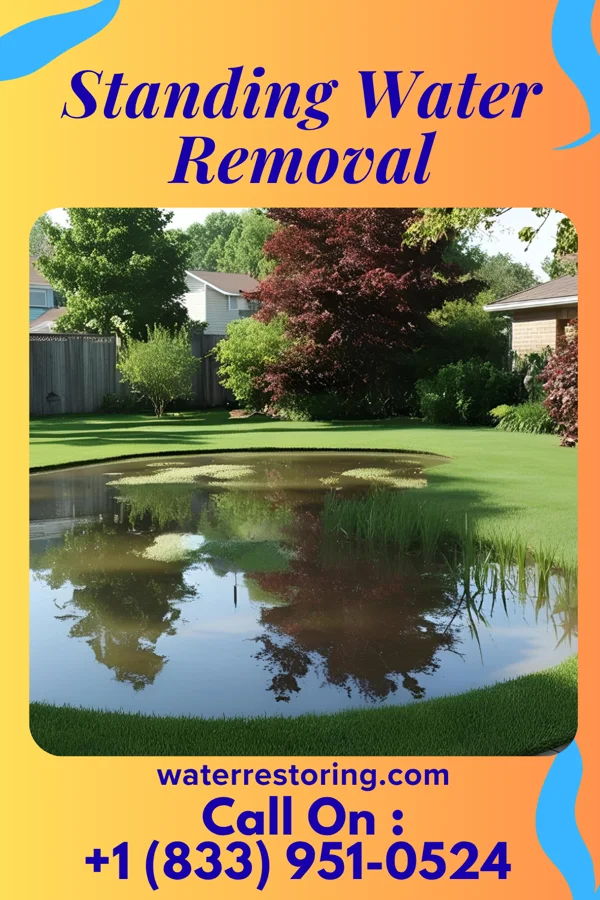
When Riverview Colony Properties Need Standing Water Removal
Water damage in Riverview Colony typically starts with In Riverview Colony, Montana, the primary water damage cause is often due to burst pipes in rural homes, especially during the colder months when frozen pipes can burst. Additionally, heavy rainfall in the spring can lead to flooding in low-lying areas near Chester and Camrose Colony, causing sudden water intrusion into residential properties.. A close second is Secondary causes include seepage from nearby creeks and rivers during spring runoff, as well as groundwater infiltration in older homes with poor drainage. Poorly maintained septic systems in rural areas also contribute to localized water damage issues.. Professional restoration follows a strict IICRC protocol — assess, extract, dry, sanitize, document.
Riverview Colony experiences a semi-arid climate with cold winters and short, intense summers. This leads to significant temperature fluctuations that can cause pipes to freeze and burst. Spring snowmelt and heavy rainfall increase the risk of flash flooding, particularly in low-lying areas near Chester and Carter.
Water damage in Riverview Colony follows local risk patterns: In Riverview Colony, Montana, the primary water damage cause is often due to burst pipes in rural homes, especially during the colder months when frozen pipes can burst. Additionally, heavy rainfall in the spring can lead to flooding in low-lying areas near Chester and Camrose Colony, causing sudden water intrusion into residential properties. accounts for most calls. Riverview Colony experiences a semi-arid climate with cold winters and short, intense summers. This leads to significant temperature fluctuations that can cause pipes to freeze and burst. Spring snowmelt and heavy rainfall increase the risk of flash flooding, particularly in low-lying areas near Chester and Carter. In Riverview Colony, mold can develop rapidly due to the region's cold, damp springs and warm summers. Prompt water damage response is crucial to prevent mold growth in homes and buildings, especially in rural areas where ventilation may be limited.